Introduction
Recovering from a stroke or neurological condition can be challenging, especially when weakness affects one side of the body. This condition, known as hemiparesis, can impact walking, balance, arm movements, and everyday activities. The good news is that hemiparesis treatment in physiotherapy plays a vital role in helping individuals regain strength, improve mobility, and become more independent.
At Aarav Healthcare, our experienced neurological physiotherapists design personalized rehabilitation programs that focus on restoring movement safely and effectively. With early intervention and consistent therapy, many patients experience significant improvements in their quality of life.
What is Hemiparesis?
Hemiparesis refers to weakness on one side of the body. It commonly occurs after:
- Stroke
- Brain Injury
- Brain Tumors
- Multiple Sclerosis
- Cerebral Palsy
- Neurological Disorders
Unlike paralysis, people with hemiparesis still have some muscle movement, but strength and coordination are reduced.
Common Symptoms
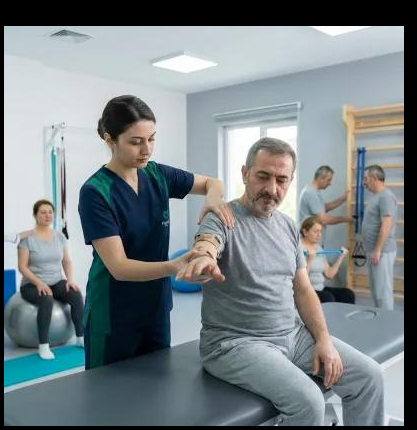
- Weakness in one arm or leg
- Difficulty walking
- Poor balance
- Reduced hand grip
- Muscle stiffness
- Difficulty performing daily activities
- Loss of coordination
- Fatigue while moving
How Physiotherapy Helps Hemiparesis
Physiotherapy focuses on retraining the brain and muscles through repetitive, targeted exercises.
Benefits include:
✔ Improved muscle strength
✔ Better balance
✔ Enhanced walking ability
✔ Increased flexibility
✔ Reduced muscle stiffness
✔ Better hand function
✔ Improved confidence
✔ Greater independence
Neurological Physiotherapy Techniques
1. Strength Training
Progressive strengthening exercises improve muscle power in weakened limbs.
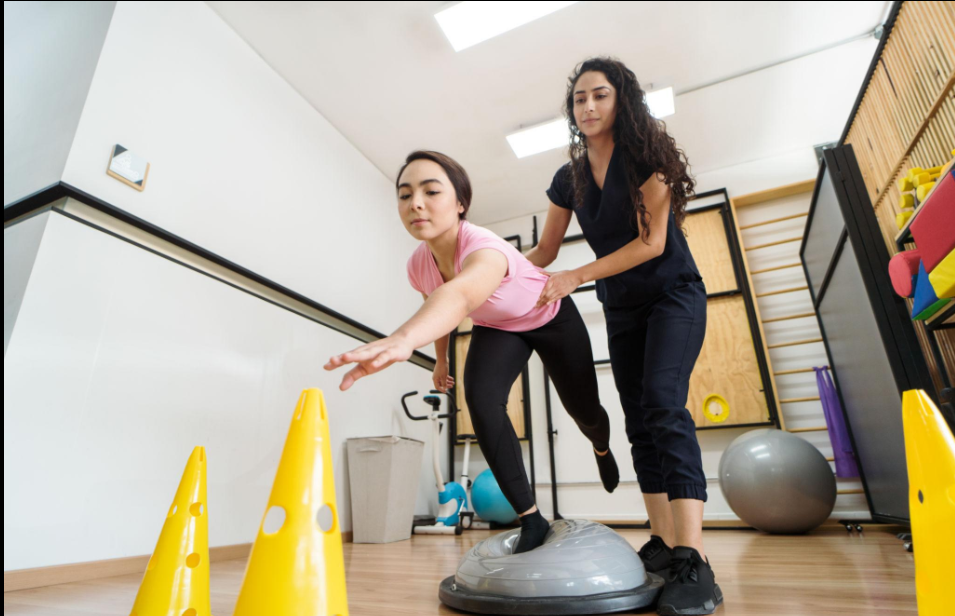
2. Balance Training
Exercises help patients maintain stability while standing and walking.
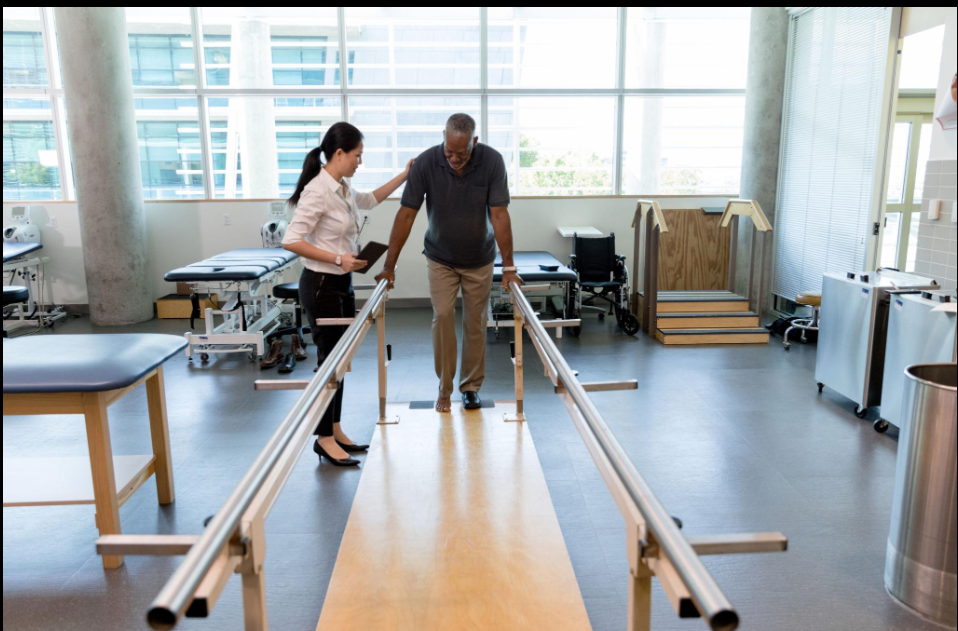
3. Gait Training
Therapists improve walking patterns using parallel bars, walkers, or treadmill training.
4. Functional Training
Patients practice everyday activities like:
- Sitting
- Standing
- Climbing stairs
- Reaching objects
- Dressing
5. Range of Motion Exercises
These exercises reduce joint stiffness and improve flexibility.
6. Hand Rehabilitation
Fine motor exercises improve gripping, writing, eating, and self-care activities.
7. Neuromuscular Re-education
The brain is trained to rebuild communication pathways with muscles through repetitive movement.
Effective Hemiplegia Exercises
Always perform these under professional supervision.
Shoulder Raises
Improve shoulder mobility.
Finger Opening & Closing
Enhances hand function.
Heel Slides
Improves knee and hip movement.
Seated Marching
Builds lower limb strength.
Weight Shifting
Improves standing balance.
Step Training
Develops walking confidence.
Sit-to-Stand Practice
Strengthens leg muscles.
Assisted Arm Reaching
Improves coordination.
Home Exercise Tips
Patients should:
- Exercise consistently
- Follow therapist instructions
- Avoid overexertion
- Stay hydrated
- Practice safe walking
- Use support devices when needed
Importance of Early Physiotherapy
Early rehabilitation can:
- Prevent muscle wasting
- Improve recovery speed
- Reduce complications
- Enhance mobility
- Improve independence
Starting therapy soon after medical clearance often leads to better long-term outcomes.
Why Choose Aarav Healthcare?
Our neurological rehabilitation team provides:
- Experienced Physiotherapists
- Individualized Treatment Plans
- Stroke Rehabilitation Programs
- Modern Exercise Equipment
- Balance & Gait Training
- Home Exercise Education
- Patient-Centered Care
Every treatment plan is tailored to each patient’s condition, recovery goals, and functional needs.
Frequently Asked Questions
Can hemiparesis improve with physiotherapy?
Yes. Regular physiotherapy helps improve muscle strength, balance, coordination, and overall mobility.
How long does recovery take?
Recovery varies depending on the cause, severity, and consistency of rehabilitation.
Is neurological physiotherapy painful?
Most exercises are designed to be comfortable and progressive, focusing on safe improvement.
Can patients perform exercises at home?
Yes, but only after receiving proper guidance from a qualified physiotherapist.
Is physiotherapy useful after a stroke?
Yes. Stroke rehabilitation is one of the most effective applications of neurological physiotherapy.
Conclusion
Hemiparesis can affect many aspects of daily life, but recovery is possible with the right rehabilitation approach. Through personalized hemiparesis treatment in physiotherapy, patients can regain strength, improve mobility, and restore confidence. Aarav Healthcare is committed to providing evidence-based neurological rehabilitation that supports every step of the recovery journey.